PET CT imaging
Whole-body metabolic imaging for staging cancer, checking treatment response and finding disease that anatomy-only scans miss.
PET CT staging, SPECT studies and targeted radionuclide therapy in Chhatrapati Sambhajinagar, reported in-house by a nuclear medicine specialist.
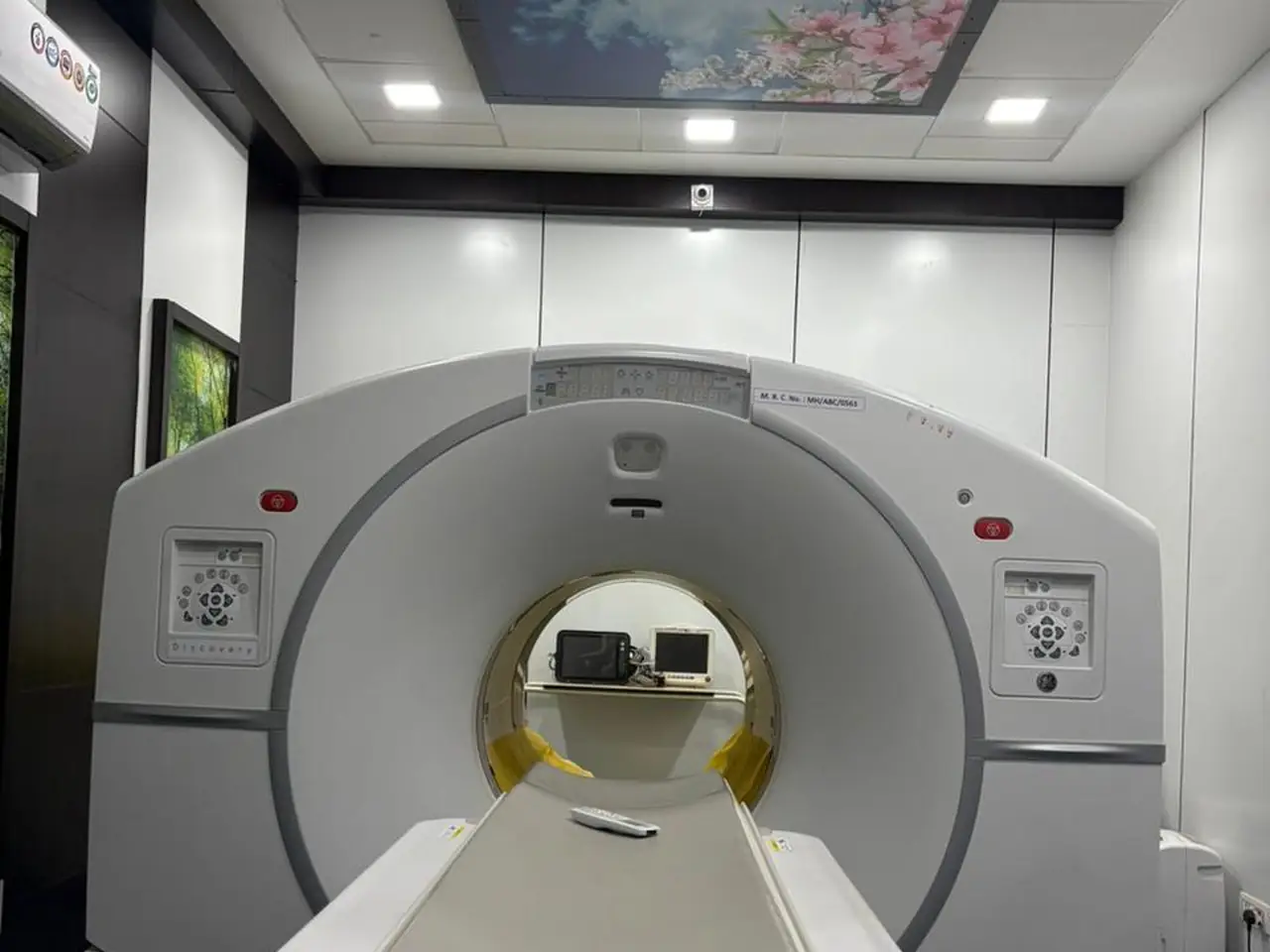
Imaging, therapy and follow-up happen in the same place, so nothing is repeated and nothing is lost between centres.
Whole-body metabolic imaging for staging cancer, checking treatment response and finding disease that anatomy-only scans miss.
Organ function studies covering bone, thyroid, kidney, cardiac, lung and gastrointestinal work, each with its own tracer protocol.
Targeted treatment delivered in-house, including radioiodine for thyroid disease and peptide receptor therapy for neuroendocrine tumours.
Most people have never had a nuclear scan before and arrive worried. This is the whole sequence, with the real timings.
Call or send the prescription on WhatsApp. We confirm the study, the cost and a time, and tell you the fasting instructions for that particular tracer.
A day or two aheadCome about fifteen minutes early with previous scans, biopsy reports and your prescription. Blood sugar is checked before an FDG study.
15 minutesA small dose of radiotracer is given through a vein. You then rest in a quiet room while it collects in the tissues. Moving or talking during this period changes the images.
45 to 60 minutesThe table moves slowly through an open ring. There is no tunnel around your head, no injection of dye and no pain. Most whole-body studies finish in under half an hour.
20 to 30 minutesImages are read in-house by the nuclear medicine consultant. Most reports are ready the same evening and can be collected or sent digitally.
Same eveningYour doctor sends the request and we confirm a slot
A day or two aheadYou arrive fasting, with your reports
15 minutesThe tracer is injected and you rest quietly
45 to 60 minutesThe scan itself, lying still on an open table
20 to 30 minutesThe specialist reads the images and releases the report
Same eveningReferring doctors can send patients directly. Each study lists preparation, duration and what the report will cover.
Advanced whole-body imaging for cancer detection and staging
60-90 minutes ₹16,000.00 Nuclear MedicineRadioactive iodine treatment for thyroid conditions
30 minutes ₹12,000.00 Nuclear MedicineAdvanced peptide receptor radionuclide therapy
2-3 hours ₹180,000.00 Gamma Imaging / SPECTSingle-photon emission computerized tomography (SPECT) scan for analyzing internal organ functions.
60-90 minutes On enquiry PETPET-CT scan combined with MRI fusion for enhanced diagnostic precision.
90-120 minutes On enquiry PETPET-CT-based radiotherapy planning for precision treatment.
60-90 minutes On enquiry PETPET-CT-based treatment response evaluation.
60-90 minutes On enquiry PETPET-CT-guided biopsy for accurate tumor sampling.
60-90 minutes On enquiry PETPET-CT for cardiac tumor diagnosis and perfusion assessment.
60-90 minutes On enquiry Radionuclide Scans - GastroenterologyNuclear medicine scan to evaluate liver, gallbladder, and bile duct function.
60-90 minutes On enquiry Radionuclide Scans - GastroenterologyNuclear scan to detect and evaluate gastroesophageal reflux.
30-60 minutes On enquiry Radionuclide Scans - GastroenterologyDetection and localization of active gastrointestinal bleeding.
60-120 minutes On enquiry Radionuclide Scans - GastroenterologyNuclear scan to detect Meckel's diverticulum containing ectopic gastric mucosa.
30-60 minutes On enquiry Radionuclide Scans - GastroenterologyMeasures the rate at which food empties from the stomach.
2-4 hours On enquiry Radionuclide Scans - GastroenterologyRadiolabeled red blood cell study for various diagnostic purposes.
60-90 minutes On enquiry Radionuclide Scans - NephrourologyDynamic renal scan to evaluate kidney function and drainage.
30-45 minutes On enquiry Radionuclide Scans - NephrourologyStatic renal cortical imaging to assess individual kidney function.
2-3 hours On enquiry Radionuclide Scans - NephrourologyNuclear cystography to detect vesicoureteric reflux.
30-60 minutes On enquiry Radionuclide Scans - PulmonaryNuclear scan to evaluate blood flow to the lungs.
30-45 minutes On enquiry Radionuclide Scans - NeurologyBrain perfusion imaging for neurological assessment.
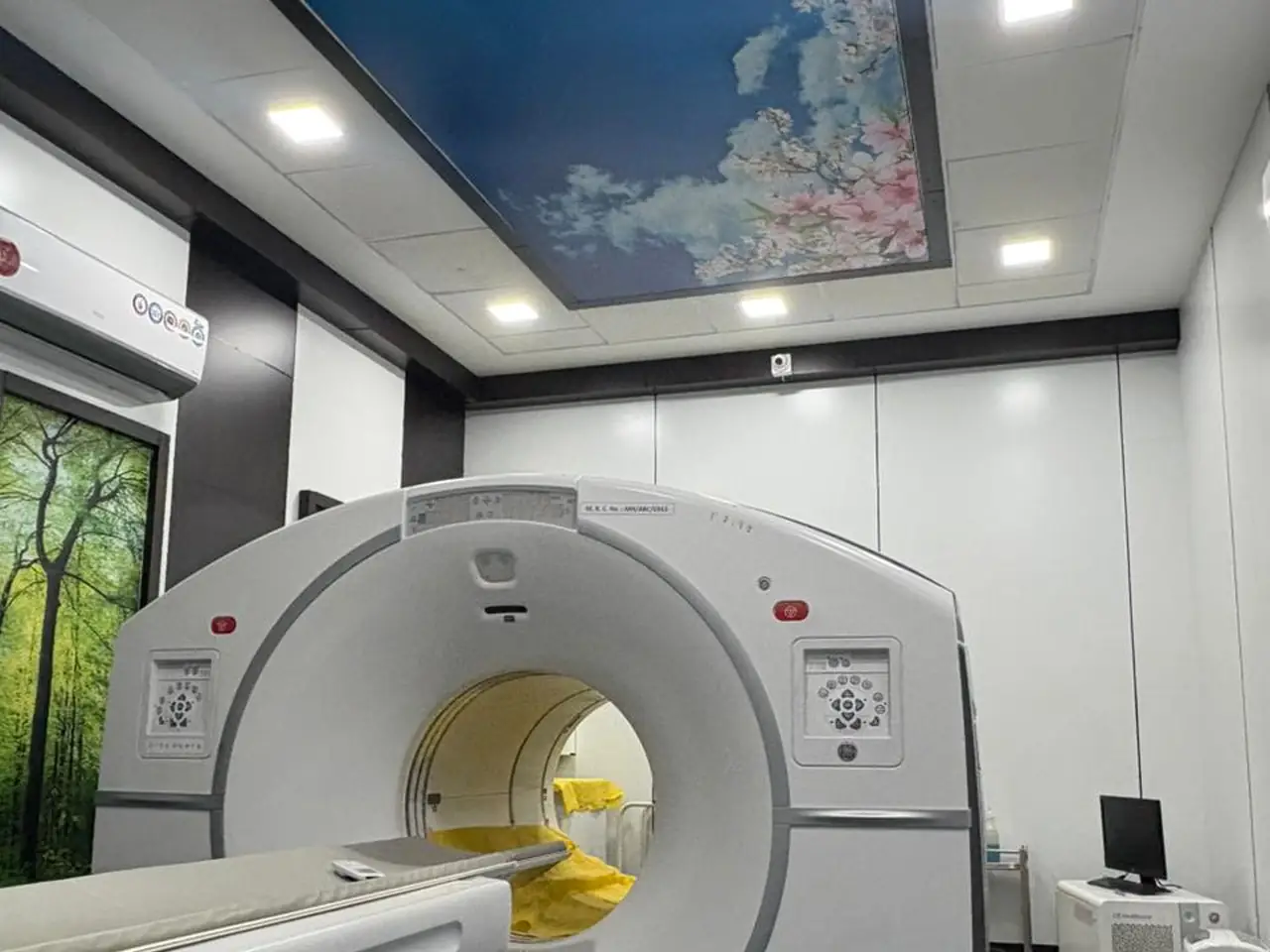
60-90 minutes On enquiryThe gantry is a short open ring, not a closed tunnel. You lie on your back on a padded table that moves through it slowly. Staff can see and hear you for the whole study, and a relative can wait just outside the room.
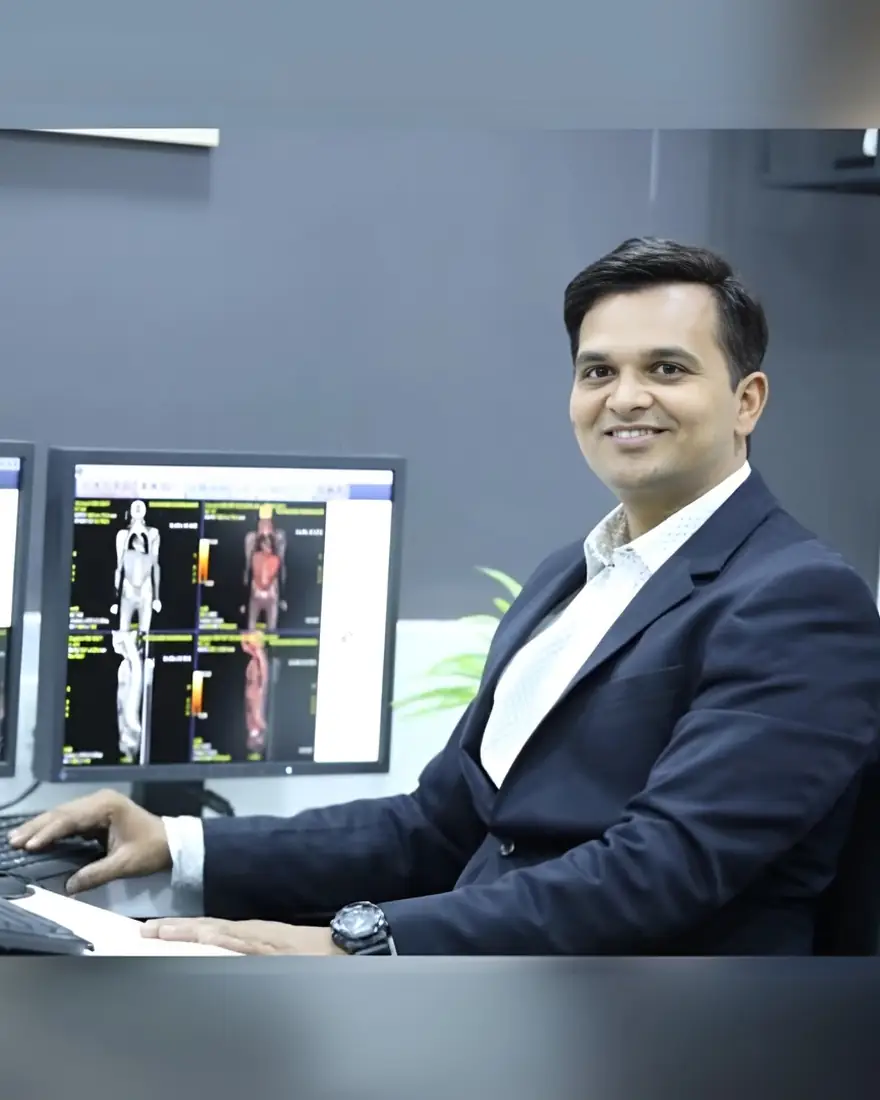
Senior Consultant & Head, Dept of Nuclear Medicine and PET CT Scan
MBBS, DRM (BARC), DNB (Tata Memorial Hospital), F. European Board of Nuclear Medicine, CBNC (USA), MICNM
No. The only needle involved is the one used to give the tracer, the same as a routine blood test. The scan itself is silent and you feel nothing.
The dose is small and carefully calculated for your body weight, and it is used only because the information it gives changes treatment decisions. The department will explain the dose for your particular study before it is given.
Plan for two to three hours for a whole-body PET CT. Most of that is the quiet waiting period after the injection. The scan itself is usually twenty to thirty minutes.
Not for an FDG PET CT. Six hours of fasting is required because sugar in the blood competes with the tracer and spoils the images. Plain water is allowed.
No. The PET CT ring is short and open at both ends, so your head is not enclosed the way it is in an MRI tunnel. Tell the staff beforehand and they will talk you through it.
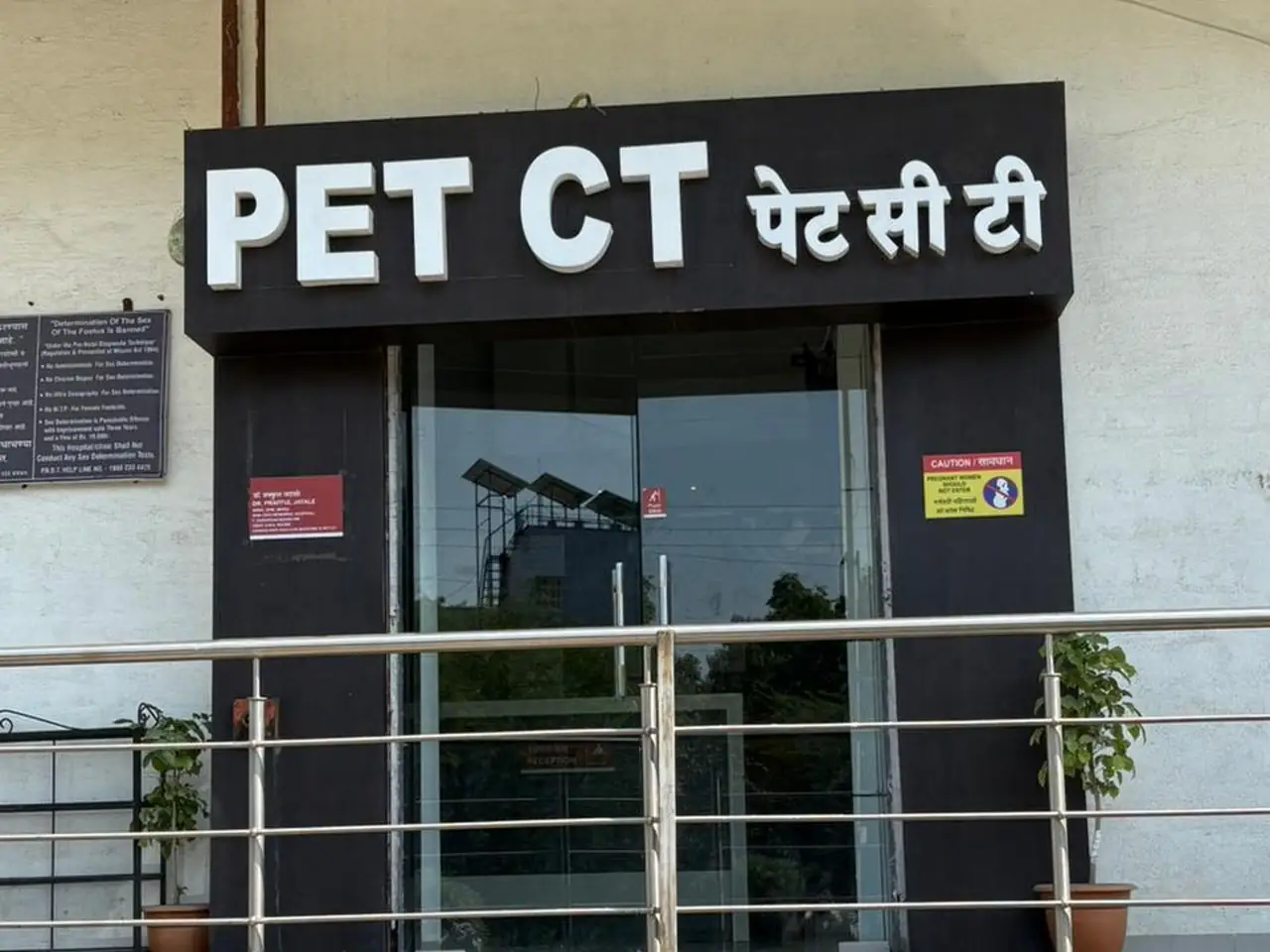
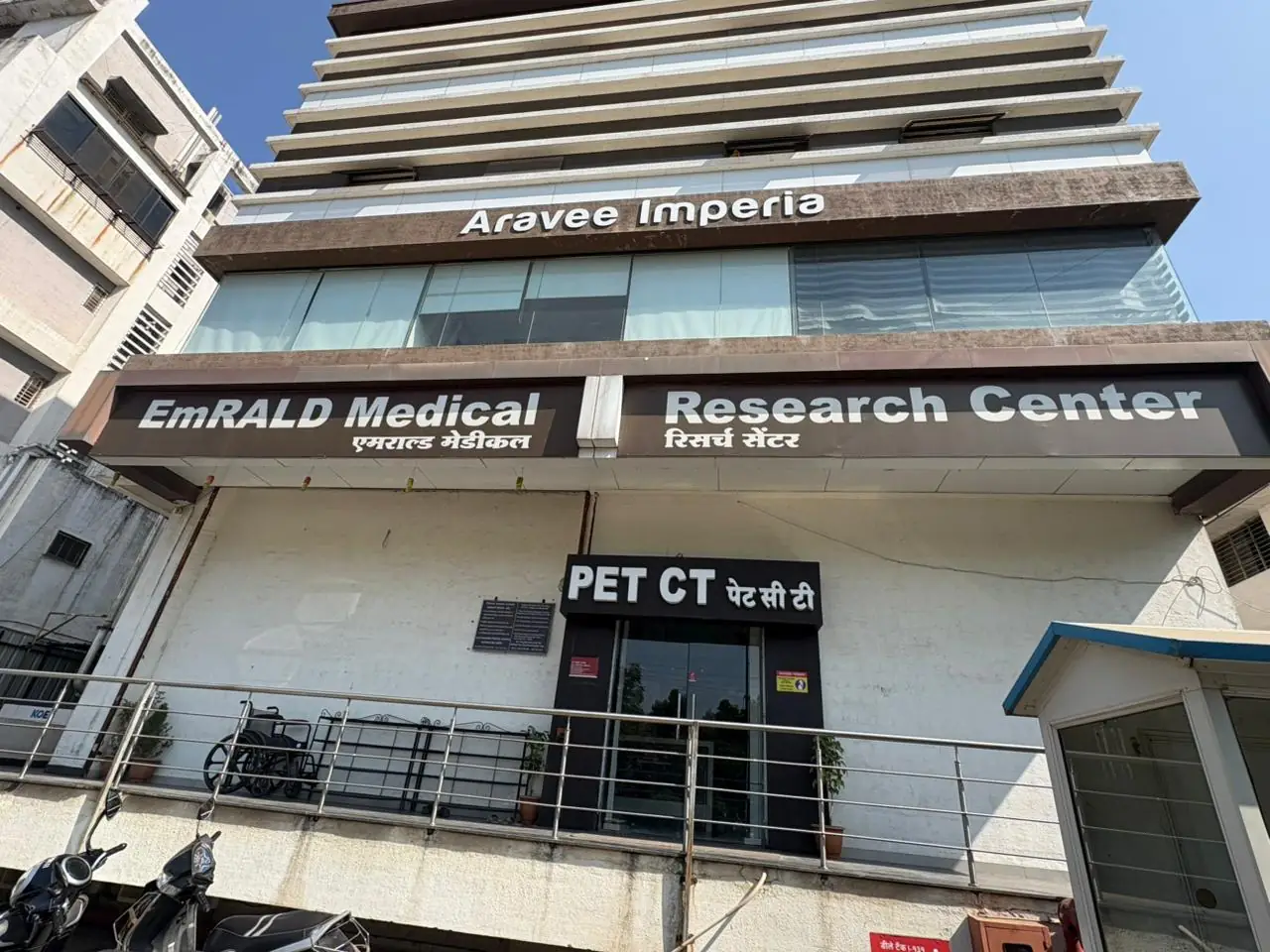
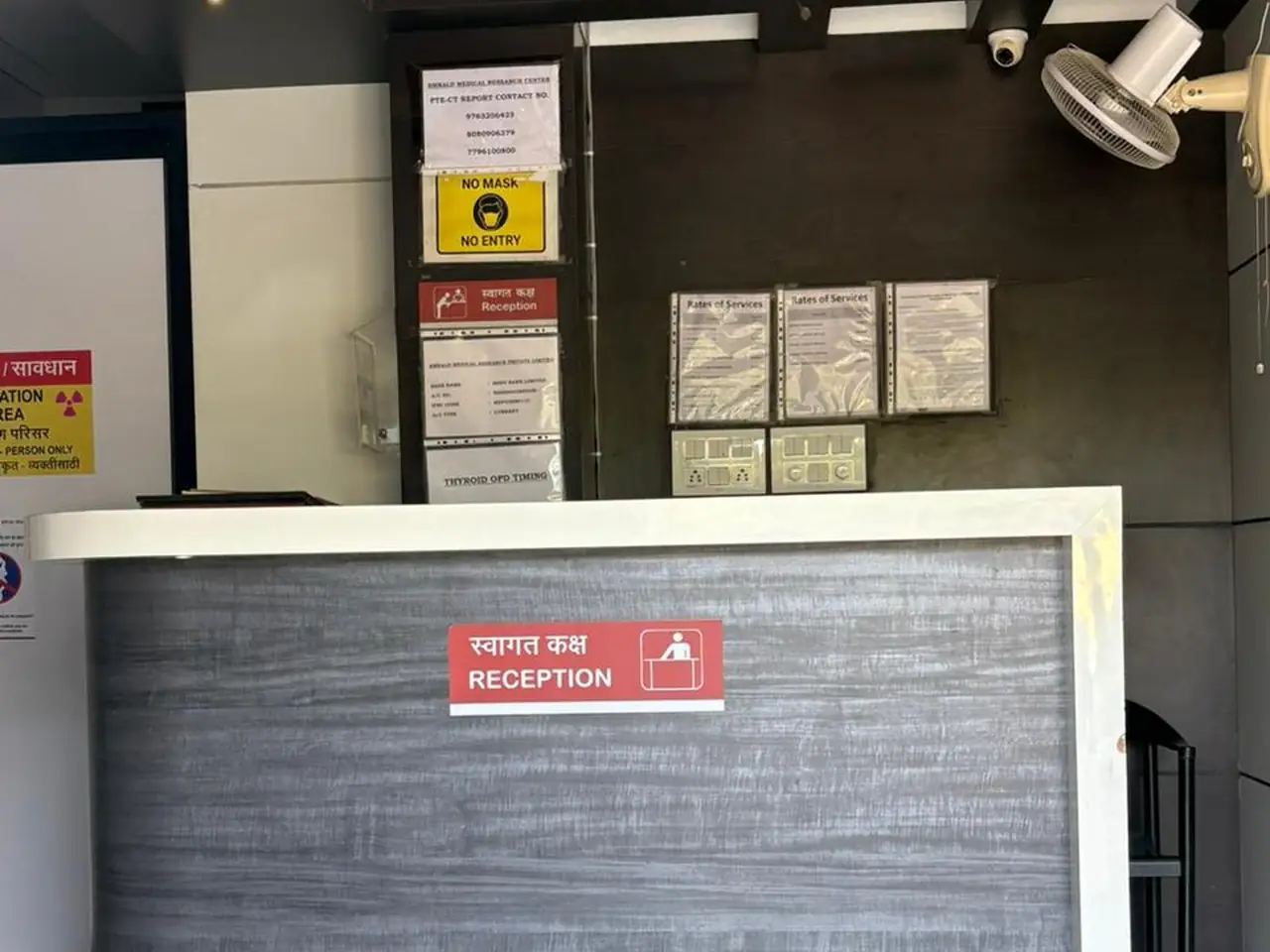
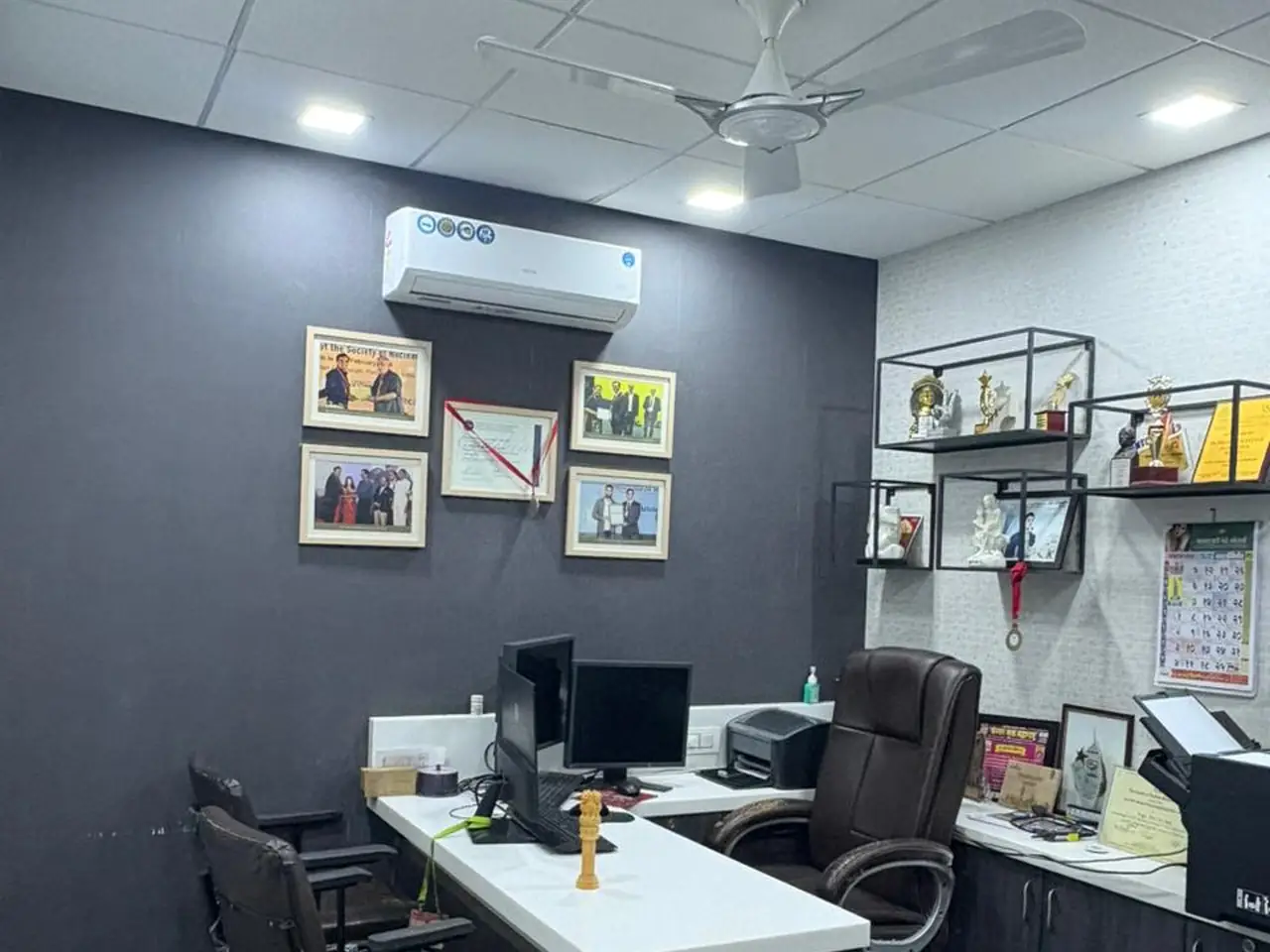
Pay online while booking, or at the reception desk when you arrive. Either way you get a receipt.
UPI, debit card, credit card or net banking. The payment page opens after you fill the appointment form, and your slot is confirmed as soon as it succeeds.
Book and pay onlineIf reception has given you a booking reference, you can settle the amount online instead of carrying cash on the day.
Make a paymentCash, UPI and cards are accepted at the reception desk. Ask for the charges on the phone before you travel so there are no surprises.
7796100800Referring doctors can call the department directly for slot availability, tracer scheduling and report timing.